US President Donald Trump has disclosed arrangements intended to cut the expense of popular weight-loss medications, as pharmaceutical prices take center stage in his administration's messaging about accessibility.
Major Agreements with Pharmaceutical Companies
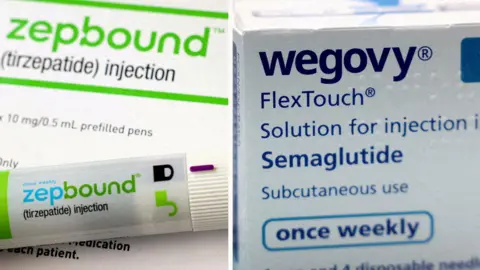
Addressing the public alongside drug leaders at the presidential residence, the President revealed arrangements with the pharmaceutical company and Novo Nordisk. Consumers are expected to pay between $245 and $350 monthly for obesity drugs like Wegovy and Zepbound.
Numerous glucagon-like peptide-1 drugs, employed against type 2 diabetes and excess weight, cost over $1,000 monthly in the absence of coverage or savings.
Expanded Access to Public Healthcare Plans
The deals will increase the company's and the manufacturer's availability to the federal health program and Medicaid, the public health programs for older and low-income individuals.
The pharmaceutical firm furthermore announced in a statement it would be exempt from taxes for a three-year period as included in the arrangement with the federal government.
Cost Breakdown
Roughly ten percent of Medicare beneficiaries will be qualified for expanded availability to glucagon-like peptide-1 medications, and will be charged just $50, according to senior administration leaders.
People enrolled in Medicaid will see a rolling start date contingent upon when state governments opt in to take part.
Government-Run Platform Introduction
The obesity medications will be available at lowered costs on the direct-to-consumer TrumpRx, a publicly managed website planned to launch by next month.
On TrumpRx, Wegovy and Zepbound will start at $350 each month typically, and drop to $250 within two years. The Medicare costs of Ozempic, the weight-loss medication, Mounjaro, and the obesity drug will be $245.
Additional Drug Alternatives
Besides Novo Nordisk's Wegovy, Eli Lilly's weight-loss oral medication, the experimental drug, will be sold for $149 for the starting dose, Eli Lilly said in a statement. The manufacturer's Zepbound will run $299 for a starting dose.
The costs are subject to FDA approval of the medications.
Insurance Issues
GLP-1 medications are frequently unreimbursed by health plans. US legislation prohibits Medicare from covering the treatments when prescribed for weight loss, while they typically are included when prescribed for type 2 diabetes and cardiovascular disease. Merely a dozen US states give reimbursement under the state-federal plan for weight loss objectives.
Health Secretary's Statement
The top health official Robert F Kennedy Jr, addressing reporters at the presidential residence, stated the agreements were outcomes of months of talks with Eli Lilly and Novo Nordisk. He described excess weight "the main cause of persistent health conditions" in the America.
"It will be a lifesaver to patients," the Health Secretary remarked.
"This is not a magic solution, it's not a silver bullet," he continued, highlighting the significance of dietary changes and fitness routines.
Context of Drug Price Efforts
Starting in summer, Trump has been urging drug companies to reduce drug prices. He issued correspondence to 17 medication manufacturers in the recent season, giving them 60 days to reply to his calls for more affordable rates.
Pfizer was the primary major medication manufacturer to secure a agreement with Trump, reducing prices for certain drugs by nearly 85% on the government website. The company furthermore consented to cut medication rates for the state-federal health plan.
AstraZeneca and EMD Serono have also reached agreements with the federal leadership in the past few weeks.


